Workforce Management vs Scheduling: Transforming Public Safety Staffing with Wilmac Continuity WFM
[et_pb_section fb_built=”1″ admin_label=”Hero” _builder_version=”4.27.5″ use_background_color_gradient=”on” background_color_gradient_type=”circular” background_color_gradient_direction_radial=”top left” background_color_gradient_stops=”#0a0a0a 0%|rgba(107,107,107,0.7) 100%” background_color_gradient_overlays_image=”on” background_color_gradient_start=”rgba(40,40,40,0.79)” background_color_gradient_end=”rgba(40,40,40,0.86)” background_image=”https://dev.wilmactech.com/wp-content/uploads/2026/01/Spreadsheet-Scheduling.jpg” custom_margin=”||||false” custom_padding=”4vw||4vw||true|false” collapsed=”on” global_colors_info=”{}”][et_pb_row use_custom_gutter=”on” gutter_width=”2″ _builder_version=”4.21.0″ width=”100%” max_width=”80%” global_colors_info=”{}”][et_pb_column type=”4_4″ _builder_version=”4.16″ custom_padding=”|||” global_colors_info=”{}” custom_padding__hover=”|||”][et_pb_text _builder_version=”4.27.5″ text_font=”||||||||” header_font=”Rubik|700|||||||” header_font_size=”64px” header_line_height=”1.1em” background_layout=”dark” custom_margin=”||0px|” custom_padding=”|||16px” text_font_size_tablet=”14px” text_font_size_last_edited=”off|desktop” header_font_size_tablet=”44px” header_font_size_phone=”32px” header_font_size_last_edited=”on|phone” text_text_shadow_style=”preset2″ text_text_shadow_blur_strength=”0.3em” text_text_shadow_color=”#000000″ border_color_all=”#4fa947″ border_width_left=”10px” global_colors_info=”{}”]
Workforce Management vs Scheduling: Transforming Public Safety Staffing with Wilmac Continuity WFM
[/et_pb_text][et_pb_text _builder_version=”4.27.5″ text_font=”Rubik||||||||” text_font_size=”22px” text_line_height=”1.3em” header_font=”||||||||” background_layout=”dark” max_width=”800px” custom_margin=”|||” custom_padding=”20px||20px||true” text_font_size_tablet=”18px” text_font_size_phone=”” text_font_size_last_edited=”on|phone” text_text_shadow_style=”preset2″ global_colors_info=”{}”]
January 2026
[/et_pb_text][/et_pb_column][/et_pb_row][/et_pb_section][et_pb_section fb_built=”1″ admin_label=”Projects” module_id=”more” _builder_version=”4.25.1″ use_background_color_gradient=”on” background_color_gradient_stops=”rgba(255,255,255,0.97) 0%|rgba(255,255,255,0.88) 100%” background_color_gradient_overlays_image=”on” background_enable_image=”off” custom_padding=”57px||38px|||” collapsed=”on” global_colors_info=”{}”][et_pb_row column_structure=”1_2,1_2″ _builder_version=”4.21.0″ max_width=”1600px” custom_padding=”36px||30px|||” global_colors_info=”{}”][et_pb_column type=”1_2″ _builder_version=”4.16″ custom_padding=”|||” global_colors_info=”{}” custom_padding__hover=”|||”][et_pb_video src=”https://youtu.be/mnV3lrLUVrI?si=lFBJI6S7rwuIL4R9″ _builder_version=”4.27.5″ _module_preset=”default” global_colors_info=”{}”][/et_pb_video][/et_pb_column][et_pb_column type=”1_2″ _builder_version=”4.27.2″ _module_preset=”default” global_colors_info=”{}”][et_pb_text _builder_version=”4.27.5″ _module_preset=”default” custom_padding=”||0px|||” global_colors_info=”{}”]
Quick Preview
Many public safety communications centers rely on schedules that look accurate on paper but quickly break down once real-world conditions change.
In this recorded webinar, Wilmac Technologies highlights a gap that surprises many 911 leaders: workforce management is a standard in nearly every communications and call-taking environment, yet public safety has largely been left without it.
Scheduling creates the static “who works when” roster. Workforce management is the broader, dynamic system that uses data, such as call volume forecasts, to guide staffing decisions and help centers stay steady when conditions shift.
You will learn why workforce management became a must-have everywhere else, what has held PSAPs back, and how Wilmac Continuity WFM brings this capability to emergency communications in a way that supports reliable coverage, reduces administrative burden, and improves operational continuity.
[/et_pb_text][/et_pb_column][/et_pb_row][et_pb_row _builder_version=”4.27.5″ _module_preset=”default” width=”79%” max_width=”1594px” global_colors_info=”{}”][et_pb_column type=”4_4″ _builder_version=”4.27.2″ _module_preset=”default” global_colors_info=”{}”][et_pb_text _builder_version=”4.27.5″ _module_preset=”default” global_colors_info=”{}”]
Workforce Management vs. Scheduling: Transforming Public Safety Staffing with Wilmac Continuity WFM
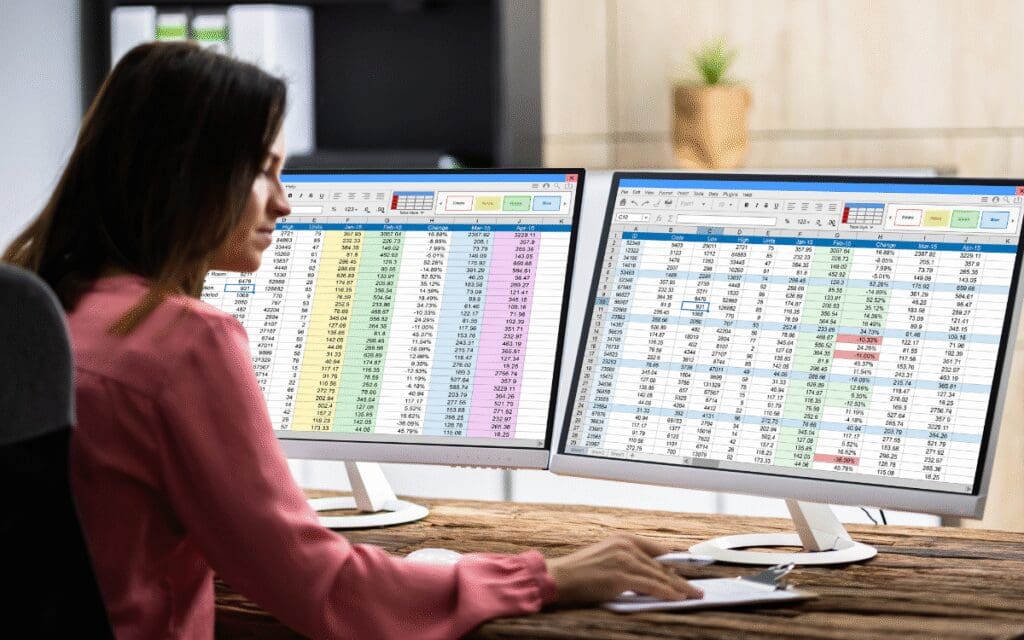
Public safety communications centers operate in a mission-critical environment where staffing accuracy directly impacts service reliability. Yet many centers still rely on spreadsheets or basic scheduling tools that were never designed to handle constant intraday changes, complex rules, or fluctuating demand.
This webinar provides a practical explanation of workforce management vs scheduling, and why that difference matters in emergency communications environments. Wilmac Technologies shares real-world insights into how workforce management improves visibility, consistency, and control across daily operations.
What is Workforce Management (WFM)?
Workforce management has been a standard in communications and call-taking operations for more than 30 years across industries like customer service, financial services, and healthcare. Public safety communications centers, however, have largely been left without it, relying instead on static schedules and manual processes even as conditions change constantly.
Workforce management uses data to plan and manage staffing in real time. It connects schedules to operational demand through forecasting, applies labor rules consistently, and shows how staffing aligns with workload throughout the day. Modern workforce management platforms use built-in artificial intelligence to analyze historical patterns, forecast demand, and flag staffing risks earlier.
Wilmac Continuity WFM brings this approach to 911 operations. Built for PSAPs, it combines forecasting, built-in artificial intelligence, and real-time operational control to move beyond static scheduling.
Workforce Management vs. Scheduling
Scheduling focuses on creating a plan. It answers a single question: who is working, and when? Once published, that plan quickly becomes outdated in a 911 environment where call volume shifts, absences happen, and coverage needs change throughout the day.
Workforce management vs scheduling is built for that reality. It goes beyond scheduling by bringing automation, centralization, and artificial intelligence into one operational approach, helping communications centers maintain reliable coverage and make staffing decisions with greater speed and consistency.
In the webinar, Wilmac Technologies explains how workforce management supports PSAP operations by:
- Automating time off, overtime, swaps, and schedule adjustments so teams spend less time on manual coordination
- Centralizing staffing workflows and data into a single system to reduce visibility gaps and inconsistent processes
- Using forecasting and built-in artificial intelligence to interpret historical patterns, anticipate demand, and flag coverage risks earlier
For 911 centers, this difference between workforce management vs scheduling goes beyond operations. Workforce management helps centers maintain workforce continuity so teams can stay focused on serving the public with dependable, uninterrupted emergency communications.
How Workforce Management Improves Coverage, Control, and Readiness
Automation that gives supervisors their time back
Supervisors and scheduling leads often spend hours managing bids, schedule changes, time off, overtime, and shift swaps across spreadsheets and disconnected tools. The webinar shows how workforce management replaces those manual steps with structured automation that reduces administrative effort and shortens decision cycles.
Key outcomes include:
- Faster schedule creation with fewer manual steps
- Shorter, more controlled bidding and approval cycles
- Reduced coordination effort and fewer avoidable errors
These outcomes come to life through common staffing workflows, including:
Shift Bidding
Reduces long, manual bidding cycles by guiding employees through a structured process that is easier to manage and simpler to audit.
One-Click Scheduling
Builds schedules quickly using defined rules and requirements, minimizing the manual work needed to publish and maintain coverage.
Overtime and Time Off Management
Streamlines time off and overtime workflows so availability updates are immediate and coverage decisions are easier to coordinate.
Shift Swapping
Moves shift swaps out of texts and side conversations into a consistent workflow that improves visibility and reduces disruption.
Centralization That Gives Supervisors One Source of Truth
Fragmented tools create visibility gaps and increase operational risk. The webinar demonstrates how centralizing workforce management into a single system gives supervisors consistent, real-time visibility into staffing across the center.
Key outcomes include:
- One system for schedules, staffing actions, and changes
- Real-time updates visible to everyone who relies on the schedule
- Less dependence on a single individual to manage or reconcile staffing data.
This centralization supports clearer communication, more consistent decision-making, and greater operational stability.
AI That Turns Staffing from Reactive to Proactive
The session explores how forecasting and built-in artificial intelligence help centers anticipate staffing pressure instead of reacting after gaps appear. Workforce management uses historical patterns and ongoing data to surface risks earlier and support more informed decisions.
Key outcomes include:
- Better alignment between call volume and staffing coverage
- Earlier visibility into overtime needs and coverage gaps
- Faster answers to operational questions through natural-language reporting with Ask WFM
These outcomes are shown through three core capabilities:
Predictive Forecasting
Uses historical call patterns to estimate demand, helping teams see when staffing pressure is likely to occur and plan coverage accordingly.
AI Reporting and Insights
Analyzes staffing and schedule data to highlight trends and risks, reducing the time it takes to understand what is happening and what may be coming next.
Intelligent Assistant
Enables users to ask questions in plain language and receive immediate answers about schedules, staffing activity, and historical patterns, supporting faster decision-making.
[/et_pb_text][/et_pb_column][/et_pb_row][/et_pb_section][et_pb_section fb_built=”1″ admin_label=” Get a Quote” _builder_version=”4.21.0″ background_enable_pattern_style=”on” background_pattern_style=”diagonal-stripes-2″ background_pattern_color=”rgba(0,0,0,0.06)” custom_padding=”20px|0px|20px|0px|true|false” animation_style=”slide” animation_direction=”top” animation_intensity_slide=”10%” box_shadow_style=”preset3″ box_shadow_vertical=”10px” box_shadow_blur=”105px” box_shadow_spread=”0px” box_shadow_color=”rgba(0,0,0,0.12)” locked=”off” global_colors_info=”{}”][et_pb_row _builder_version=”4.21.0″ background_enable_color=”off” max_width=”80%” module_alignment=”center” custom_margin=”|||” global_colors_info=”%91%93″][et_pb_column type=”4_4″ _builder_version=”4.16″ custom_padding=”|||” global_colors_info=”{}” custom_padding__hover=”|||”][et_pb_text _builder_version=”4.27.5″ header_font=”||||||||” header_2_font=”Rubik|700|||||||” header_2_font_size=”42px” header_2_line_height=”1.2em” text_orientation=”center” custom_padding=”1px|||||” header_2_font_size_tablet=”” header_2_font_size_phone=”36px” header_2_font_size_last_edited=”on|phone” global_colors_info=”{}”]
Looking for a more reliable way to maintain coverage and manage staffing changes?
See Wilmac Continuity WFM in action with a free trial>>
[/et_pb_text][/et_pb_column][/et_pb_row][/et_pb_section]